
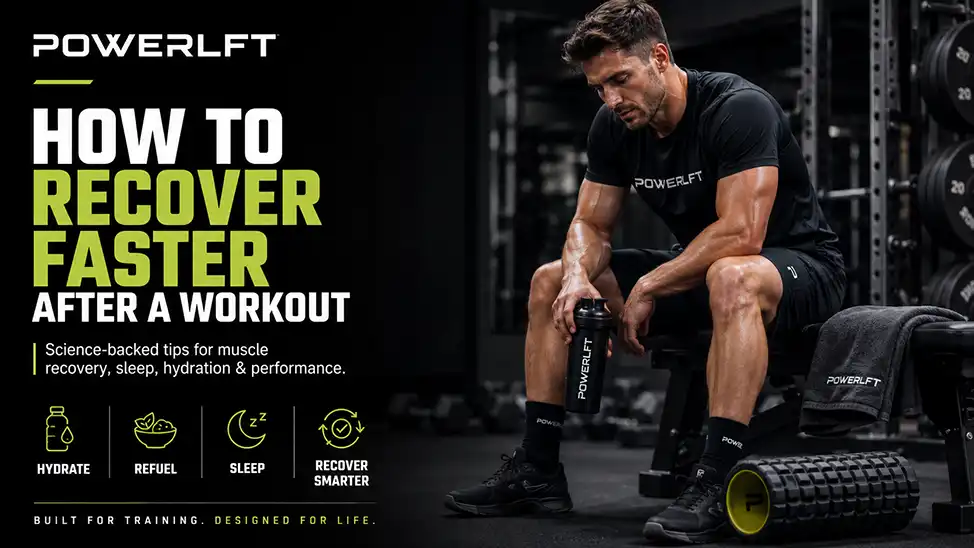
How to Recover Faster After a Workout: Science-Backed Tips for Muscle Recovery
Introduction
Learning How to Recover Faster After a Workout is one of the smartest things you can do if you want better strength, more muscle, less soreness, and more consistent progress.
Most people focus only on the workout.
They think progress happens when they lift heavier, run faster, push harder, or sweat more.
But here is the truth:
Your workout creates the signal.
Your recovery creates the result.
After training, your body needs time and resources to repair muscle tissue, restore energy, regulate inflammation, rehydrate, and prepare for the next session. If your recovery is poor, your performance drops. If your recovery is strong, you can train harder, move better, and build results over time.
This guide explains how muscle recovery works, what actually helps, what is overrated, and how to build a practical post workout recovery routine that fits real life.
Table of Contents
- Key Takeaways
- Why Recovery Is Essential for Muscle Growth
- What Happens to Your Muscles After Training
- How to Recover Faster After a Workout
- Protein and Muscle Recovery
- Carbohydrates and Glycogen Replenishment
- Hydration and Electrolyte Balance
- Sleep and Workout Recovery
- Active Recovery vs Complete Rest
- Stretching, Mobility, and Foam Rolling
- Cold Therapy vs Heat Therapy
- Signs of Poor Recovery
- Common Recovery Mistakes
- Quick Recovery Checklist
- FAQ
- Conclusion
Key Takeaways
- Recovery is where your body repairs, adapts, and gets stronger.
- Protein supports muscle repair and muscle protein synthesis.
- Carbohydrates help restore glycogen after intense workouts.
- Hydration and electrolytes matter, especially after sweaty sessions.
- Sleep is one of the most powerful tools for workout recovery.
- Active recovery can reduce stiffness and improve blood flow.
- Foam rolling and mobility work may help soreness and range of motion.
- More training is not always better. Better recovery creates better progress.
Why Recovery Is Essential for Muscle Growth
Muscle growth does not happen simply because you trained hard.
It happens because your body adapts to training stress.
When you lift weights, sprint, do HIIT, or complete a challenging workout, your body experiences controlled stress. Muscle fibers are challenged, energy stores are used, and your nervous system works hard.
After that, recovery begins.
During recovery, your body works to:
- Repair damaged muscle proteins
- Build new muscle tissue
- Restore glycogen
- Rebalance fluids and electrolytes
- Reduce excessive inflammation
- Restore nervous system readiness
- Improve future performance
The American College of Sports Medicine explains that building muscle requires more than protein alone. Resistance training, energy balance, nutrient timing, carbohydrates, protein, and adequate sleep all play important roles in adaptation and recovery. ACSM
That means your recovery habits matter just as much as your training plan.
If you want bigger arms, stronger legs, a better chest, or improved athletic performance, do not only ask:
“What workout should I do?”
Also ask:
“How well am I recovering from it?”
For example, if you are training chest hard every week, pairing a smart recovery routine with a structured plan like this guide on the Best Chest Workout can help you progress more consistently.
What Happens to Your Muscles After Training
After a tough workout, several things happen inside your body.
1. Muscle Fibers Experience Micro-Damage
Resistance training creates tiny disruptions in muscle fibers.
This is normal.
It is part of the adaptation process.
Your body responds by repairing and rebuilding the tissue. Over time, with proper training and nutrition, this can contribute to stronger and larger muscles.
2. Glycogen Stores Decrease
Glycogen is stored carbohydrate in your muscles and liver.
During hard training, especially high-volume lifting, HIIT, running, cycling, or sports, your body uses glycogen for energy.
If you do not replenish it, you may feel flat, tired, or weaker in your next workout.
3. Inflammation Increases Temporarily
A certain amount of inflammation after exercise is normal.
It helps start the repair process.
But too much stress, too little sleep, poor nutrition, dehydration, and excessive training can keep inflammation elevated and slow recovery.
4. Your Nervous System Needs to Recharge
Heavy lifting and intense workouts do not only challenge muscles.
They also challenge your nervous system.
That is why you can feel mentally tired after a brutal leg day or heavy deadlift session.
5. Delayed Onset Muscle Soreness Can Appear
Delayed onset muscle soreness, often called DOMS, usually appears 12–48 hours after unfamiliar or intense exercise. It is common after new workouts, eccentric training, high volume, or returning after a break.
Soreness is not always a sign of a better workout.
You can build muscle without being extremely sore every time.
How to Recover Faster After a Workout
The best way to understand How to Recover Faster After a Workout is to focus on the foundations first.
You do not need complicated hacks.
You need consistent recovery habits.
The Recovery Pyramid
| Priority | Recovery Habit | Why It Matters |
|---|---|---|
| 1 | Sleep | Supports hormone regulation, tissue repair, and energy |
| 2 | Protein | Provides amino acids for muscle repair |
| 3 | Carbohydrates | Restores glycogen and training fuel |
| 4 | Hydration | Supports circulation, performance, and temperature control |
| 5 | Smart training | Prevents overuse and excessive fatigue |
| 6 | Active recovery | Helps movement, stiffness, and blood flow |
| 7 | Tools | Foam rolling, massage, cold therapy, heat therapy |
The basics create most of the results.
Recovery tools can help, but they do not replace sleep, food, hydration, and smart programming.
Pro Tip: If your recovery routine is complicated but your sleep is poor, fix your sleep first.
Protein and Muscle Recovery
Protein is essential for muscle recovery because it provides amino acids, the building blocks your body uses to repair and build muscle tissue.
After training, your muscles are more sensitive to protein. This does not mean you have only 30 minutes to eat, but it does mean protein should be part of your daily recovery strategy.
A review published through the National Institutes of Health found strong evidence that consuming protein before and/or after exercise can increase muscle protein synthesis, while also noting that total daily protein and calorie intake are crucial for long-term training adaptations. NIH / PMC
How Much Protein After a Workout?
For many active adults, a practical post-workout target is:
- 25–40 grams of protein after training
Good options include:
- Chicken breast
- Turkey
- Lean beef
- Eggs
- Greek yogurt
- Cottage cheese
- Whey protein
- Salmon
- Tuna
- Tofu
- Tempeh
- Lentils and beans
Best High-Protein Recovery Meals
| Meal | Protein Source | Best For |
|---|---|---|
| Chicken rice bowl | Chicken breast | Muscle gain, strength training |
| Greek yogurt bowl | Greek yogurt | Quick breakfast recovery |
| Salmon and potatoes | Salmon | Recovery and healthy fats |
| Eggs and toast | Eggs | Simple post-workout meal |
| Whey smoothie | Whey protein | Fast, convenient recovery |
| Turkey wrap | Turkey breast | On-the-go meal |
If you want more meal examples, read the POWERLFT guide on the Best Post Workout Meal.
Carbohydrates and Glycogen Replenishment
Carbs are often misunderstood.
Some people avoid them completely because they think carbs prevent fat loss.
But if you train hard, carbohydrates can be a powerful recovery tool.
Carbohydrates help replenish muscle glycogen, which is especially important if you:
- Lift with high volume
- Train legs hard
- Do HIIT
- Play sports
- Run or cycle
- Train again within 24 hours
- Want to gain muscle
Best Carbs for Recovery After Exercise
Choose mostly whole-food carbohydrate sources:
- Rice
- Potatoes
- Sweet potatoes
- Oats
- Fruit
- Whole grain bread
- Pasta
- Quinoa
- Beans
- Low-fat milk
- Cereal with milk after intense sessions
How Many Carbs Do You Need?
It depends on your goal and training intensity.
| Goal | Carb Intake After Training |
|---|---|
| Fat loss | Moderate carbs, controlled portions |
| Muscle gain | Higher carbs to support growth |
| Endurance training | Higher carbs for glycogen |
| Light workout | Normal meal is usually enough |
| Two-a-day training | Prioritize carbs soon after workout |
A simple recovery plate:
- 1 palm protein
- 1–2 fists carbs
- 1–2 fists vegetables or fruit
- Water or electrolytes
Hydration and Electrolyte Balance
Hydration is one of the most overlooked parts of post workout recovery.
When you sweat, you lose water and electrolytes such as sodium and chloride. If you do not replace fluids, you may experience fatigue, headache, cramps, dizziness, or poor performance.
Mayo Clinic notes that people exercising hard and sweating heavily can be at risk for heat-related issues if they do not drink enough fluids. Mayo Clinic
Signs You Need More Fluids
- Dark yellow urine
- Dry mouth
- Headache
- Dizziness
- Unusual fatigue
- Muscle cramps
- Elevated heart rate
- Poor performance
Best Hydration Options After Training
- Water
- Electrolyte drink
- Milk
- Smoothie
- Coconut water
- Water with a pinch of salt and lemon
- Low-sugar sports drink after long sessions
Mayo Clinic also explains that water is generally the best way to replace lost fluids, but sports drinks can help during exercise lasting longer than about 60 minutes because they provide electrolytes. Mayo Clinic News Network
Simple Hydration Rule
After training, drink enough so your urine returns to a pale yellow color over the next few hours.
If your workout was long, hot, or extremely sweaty, include electrolytes.
Pro Tip: Do not wait until you feel terrible to hydrate. Start drinking before, during, and after training.
Sleep and Workout Recovery
Sleep may be the most underrated recovery tool.
You can eat perfectly, stretch daily, use ice baths, and buy every supplement available — but if you sleep poorly, your recovery will suffer.
During sleep, your body supports:
- Muscle repair
- Hormone regulation
- Immune function
- Nervous system recovery
- Memory and skill learning
- Energy restoration
Poor sleep can make workouts feel harder, increase cravings, lower motivation, and reduce performance.
How Much Sleep Do You Need?
Most adults do best with:
- 7–9 hours per night
Athletes and highly active people may need more, especially during intense training phases.
Sleep Tips for Better Recovery
- Keep a consistent sleep schedule
- Avoid caffeine late in the day
- Keep your room cool and dark
- Reduce screen exposure before bed
- Avoid heavy meals right before sleep if they disturb you
- Use a relaxing bedtime routine
- Keep intense training away from bedtime when possible
Coach’s Tip: If you are constantly sore, irritable, and unmotivated, look at your sleep before changing your entire program.
Active Recovery vs Complete Rest
Recovery does not always mean doing nothing.
Sometimes, light movement helps you feel better.
What Is Active Recovery?
Active recovery means doing low-intensity movement that increases blood flow without creating more fatigue.
Examples include:
- Walking
- Easy cycling
- Swimming
- Light yoga
- Mobility work
- Gentle stretching
- Easy bodyweight movement
Cleveland Clinic describes active recovery as low-intensity movement that can help support recovery before, during, and after workouts. Cleveland Clinic
When Active Recovery Works Best
Use active recovery when you feel:
- Mild soreness
- Stiffness
- Low energy but not exhausted
- Mentally stressed
- Tight after sitting all day
When Complete Rest Is Better
Choose full rest when you feel:
- Sharp pain
- Extreme soreness
- Poor sleep for several nights
- Illness
- Joint pain
- Major fatigue
- Declining performance
Active Recovery vs Complete Rest
| Recovery Type | Best For | Examples |
|---|---|---|
| Active recovery | Mild soreness, stiffness, circulation | Walking, light cycling, mobility |
| Complete rest | Heavy fatigue, pain, illness | Sleep, rest day, no training |
| Deload week | Accumulated fatigue | Lower volume and intensity |
| Mobility day | Tightness, movement quality | Stretching, breathing, light drills |
Stretching, Mobility, and Foam Rolling
Stretching and mobility can support recovery, but they should be used correctly.
Static stretching after a workout may help you relax and maintain flexibility. Dynamic mobility can improve movement quality. Foam rolling may help reduce tightness and improve range of motion.
Cleveland Clinic explains that foam rolling may help relieve muscle tightness, soreness, and inflammation while improving range of motion. Cleveland Clinic
Stretching vs Mobility
| Method | Purpose | Best Time |
|---|---|---|
| Static stretching | Improve flexibility, relax muscles | After workout or separate session |
| Dynamic mobility | Prepare joints and muscles | Before workout |
| Foam rolling | Reduce tightness, improve range of motion | Before or after workout |
| Breathing drills | Downregulate nervous system | After training or before sleep |
Simple Post-Workout Mobility Routine
Try this after training:
- 2 minutes easy walking
- 1 minute deep breathing
- 30 seconds hip flexor stretch per side
- 30 seconds chest stretch per side
- 30 seconds hamstring stretch per side
- 1–2 minutes light foam rolling on tight areas
Keep it gentle.
Recovery work should not feel like another workout.
Cold Therapy vs Heat Therapy
Cold therapy and heat therapy can both be useful, but they serve different purposes.
Cold Therapy
Cold therapy includes:
- Ice baths
- Cold showers
- Cold packs
- Cryotherapy
Cold can temporarily reduce soreness and may help with pain management. However, using intense cold therapy too frequently immediately after strength training may not be ideal if your primary goal is maximizing muscle growth, because some inflammation is part of the adaptation process.
Use cold therapy strategically, not automatically.
Heat Therapy
Heat therapy includes:
- Warm showers
- Sauna
- Heating pads
- Warm baths
Heat can help relax tight muscles, increase circulation, and reduce stiffness.
Cold vs Heat Comparison
| Therapy | Best For | When to Use |
|---|---|---|
| Cold therapy | Soreness, swelling, pain management | After very intense sessions or competition |
| Heat therapy | Tightness, stiffness, relaxation | Later in the day or rest days |
| Contrast therapy | Circulation and perceived recovery | Optional, based on preference |
| Neither | Normal soreness that improves naturally | When basics are already working |
Pro Tip: Cold and heat are tools. They are not substitutes for sleep, nutrition, hydration, and smart training.
Massage and Foam Rolling
Massage can help you feel better by reducing tightness and improving relaxation.
Foam rolling is a practical self-massage option you can do at home or in the gym.
Benefits May Include
- Reduced perceived soreness
- Better range of motion
- Relaxed tight areas
- Improved movement comfort
- Better recovery routine consistency
How to Foam Roll Properly
Use this simple approach:
- Roll slowly
- Spend 30–60 seconds per area
- Avoid rolling directly on joints
- Do not chase extreme pain
- Breathe deeply
- Focus on tight muscles, not random areas
Good areas to foam roll:
- Quads
- Hamstrings
- Calves
- Glutes
- Upper back
- Lats
Avoid aggressive foam rolling on the lower back, neck, or painful injuries.
Signs of Poor Recovery
Poor recovery is not always obvious at first.
You may think you just need more discipline, when your body actually needs more rest.
Common Signs of Poor Workout Recovery
- Soreness that lasts too long
- Declining performance
- Low motivation
- Poor sleep
- Irritability
- Elevated resting heart rate
- Heavy legs
- Joint discomfort
- Constant fatigue
- More frequent illness
- Loss of appetite or unusual cravings
When to Adjust Your Training
Consider adjusting your routine if:
- You are getting weaker every week
- You are sore all the time
- You dread workouts
- You feel tired even after rest
- Your joints hurt more than your muscles
- You are not sleeping well
This does not mean you are weak.
It means your recovery capacity is being exceeded.
Common Recovery Mistakes
Mistake 1: Training Hard Every Day
More is not always better.
Muscle growth requires stress plus recovery.
If you constantly break your body down without giving it time to rebuild, progress slows.
Mistake 2: Not Eating Enough Protein
Protein is essential for recovery after exercise.
Skipping protein makes it harder for your body to repair muscle tissue and adapt to training.
Mistake 3: Cutting Carbs Too Low
Low-carb diets can work for some people, but hard training requires fuel.
If you feel flat, weak, and tired, your carb intake may be too low for your training demands.
Mistake 4: Ignoring Hydration
Even mild dehydration can affect energy and performance.
Hydration should be part of your recovery plan, not an afterthought.
Mistake 5: Sleeping Too Little
You cannot out-supplement poor sleep.
If you sleep 4–5 hours per night, recovery will suffer.
Mistake 6: Using Recovery Tools Instead of Fixing the Basics
Foam rolling, massage guns, cold plunges, and saunas can help.
But they are extras.
The foundation is still:
- Sleep
- Nutrition
- Hydration
- Smart training
- Stress management
Mistake 7: Wearing Uncomfortable Gym Clothing
Poor-fitting gear can distract you, limit movement, and make training less enjoyable. Choose premium activewear that supports how you train and how you live outside the gym.
POWERLFT is built around that idea: Built for Training. Designed for Life.
Science-Backed Recovery Tips You Can Use Today
Here are practical recovery strategies that work for most lifters and active people.
1. Eat Protein at Every Meal
Do not rely only on your post-workout shake.
Spread protein across the day.
Examples:
- Eggs at breakfast
- Chicken at lunch
- Greek yogurt snack
- Fish or lean beef at dinner
2. Eat Carbs Around Hard Training
If your workout is intense, include carbs before and after training.
Examples:
- Banana before workout
- Rice after workout
- Oats in a smoothie
- Potatoes with dinner
3. Hydrate Before You Feel Drained
Drink water throughout the day, not only after training.
Add electrolytes when needed.
4. Use Active Recovery on Rest Days
Try:
- 20–40 minutes walking
- Light mobility
- Easy cycling
- Gentle stretching
5. Plan Deload Weeks
A deload is a planned reduction in training volume or intensity.
You may need one every 4–8 weeks depending on:
- Training intensity
- Experience level
- Sleep
- Stress
- Nutrition
- Age
- Recovery ability
6. Match Training Clothing to the Session
For heavy lifting, high-volume sessions, or long active days, choose performance clothing that moves well, feels comfortable, and keeps you focused.
The less you think about your clothing, the more you can focus on your training.
Quick Recovery Checklist
Use this checklist after your next workout.
Within 30–120 Minutes After Training
- Eat 25–40 g protein
- Include carbs if training was intense
- Drink water
- Add electrolytes if you sweat heavily
- Cool down with light movement
- Avoid sitting completely stiff for hours
Later That Day
- Eat balanced meals
- Walk lightly if sore
- Stretch tight areas
- Foam roll if helpful
- Avoid alcohol if recovery matters
- Prepare for quality sleep
Before Bed
- Reduce screens
- Keep the room cool
- Avoid late caffeine
- Do light breathing or stretching
- Aim for 7–9 hours of sleep
Weekly Recovery Habits
- Take rest days
- Use active recovery
- Plan deloads
- Track soreness and performance
- Keep protein consistent
- Stay hydrated daily
Quick Summary
Recovery is not passive.
It is an active process that determines how well your body adapts to training.
To improve recovery after exercise, focus on:
- Protein for muscle repair
- Carbs for glycogen replenishment
- Water and electrolytes for hydration
- Sleep for repair and nervous system recovery
- Active recovery for stiffness and circulation
- Smart programming to avoid overtraining
- Mobility and foam rolling when useful
The best recovery routine is simple, repeatable, and realistic.
Train hard, but recover harder.
FAQ
1. How long does muscle recovery take after a workout?
Most muscles need 24–72 hours to recover depending on workout intensity, training experience, sleep, nutrition, and overall stress.
A light workout may require only one day.
A heavy leg day or intense full-body session may require two to three days.
2. What is the fastest way to recover after a workout?
The fastest reliable way to improve recovery is to focus on the basics:
- Eat enough protein
- Replenish carbs
- Hydrate properly
- Sleep 7–9 hours
- Use light movement
- Avoid training the same muscle hard too soon
Recovery tools can help, but they work best when the foundation is already strong.
3. Is soreness a sign of muscle growth?
Not always.
Soreness means your muscles experienced stress, especially from new or intense exercise.
But soreness is not required for muscle growth.
Progressive overload, good technique, enough protein, calories, and recovery are more important.
4. Should I stretch after every workout?
You do not have to stretch after every workout, but gentle stretching can help relaxation and flexibility.
If you feel tight, add 5–10 minutes of stretching or mobility after training.
Avoid painful, aggressive stretching.
5. Is active recovery better than rest?
It depends.
Active recovery is helpful for mild soreness and stiffness.
Complete rest is better when you are exhausted, sick, injured, or dealing with joint pain.
A balanced program uses both.
6. What should I eat for post workout recovery?
A good recovery meal includes protein, carbs, and fluids.
Examples:
- Chicken, rice, and vegetables
- Greek yogurt with banana and oats
- Eggs with toast and fruit
- Salmon with sweet potato
- Whey protein smoothie with oats
For more examples, read the POWERLFT guide to the Best Post Workout Meal.
7. Do cold showers help workout recovery?
Cold showers may help you feel refreshed and reduce perceived soreness.
However, they are not magic.
If your goal is muscle growth, do not rely on cold exposure as your main recovery strategy. Prioritize food, sleep, hydration, and smart training first.
8. Can I work out if I am still sore?
You can train with mild soreness, especially if you choose a different muscle group or use lower intensity.
Avoid hard training if soreness is severe, your movement is limited, or you feel pain in your joints.
9. How do I know if I am overtraining?
True overtraining is serious and less common than simple under-recovery.
Warning signs include:
- Long-term performance decline
- Constant fatigue
- Poor sleep
- Mood changes
- Frequent illness
- Elevated resting heart rate
- Loss of motivation
- Persistent soreness
If symptoms continue, reduce training load and consider speaking with a qualified healthcare professional.
Conclusion
Knowing How to Recover Faster After a Workout is not about chasing every new trend.
It is about mastering the basics and doing them consistently.
Your body needs protein to repair muscle, carbohydrates to restore glycogen, fluids to rehydrate, sleep to rebuild, and smart training to keep progress sustainable.
Recovery is not weakness.
Recovery is strategy.
The better you recover, the better you train.
The better you train, the better you progress.
Recover Smarter. Train Stronger.
Recovery is where progress happens.
Fuel your body, prioritize rest, and wear apparel built to support every step of your fitness journey. Explore POWERLFT gym clothing and recovery apparel designed for training, movement, and everyday life.
POWERLFT
Built for Training. Designed for Life.